
Mental · 3 minute read
Why We Should Not Marry ‘til 30, Teach ‘til 40 and Run for Office ‘til 50
A case for knowing yourself before you commit your life to others.
By Ray Coppola
Listen to this article
Audio unavailable in English

On Marriage
Our first 20 years of life belong to our parents and teachers. Along with these major influences usually come a few minor ones, such as boy/girl scout leaders, religious individuals, and even close aunts and uncles.
Then we are supposed to be ready to spread our wings to find out who we are! But too many of us don’t, and because we don’t, we wind up getting divorced 15 years later. What should we get to know about ourselves during our twenties? The latest findings of DNA researchers, like Dr. Brazelton and infant care specialists, have imploded the archaic theories that have been held for centuries, that we are all born with ‘tabula rasa,’ meaning a clean slate without any knowledge or impressions for or against anything in life.
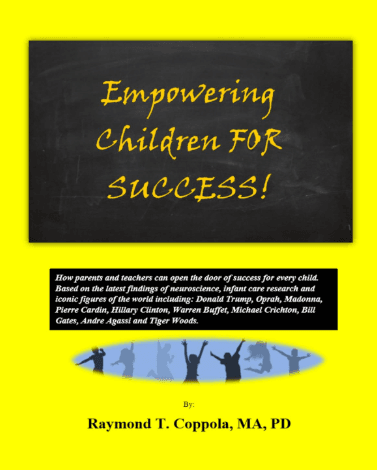
These DNA researchers have disrupted all these classic and wrong theories! We now know that each of us is born with a genetic profile that shapes our entire life. In my 2008 self-published book, titled “Empowering Children for Success,” I call this magnetic force our ‘Energy Construct.’ This magnetic force attracts us to certain aspects of life and away from others. This may be the very reason you were attracted to this site.
If you have siblings, you can easily recognize your differences. For example, you may love nature, and your sibling may love the city. Our magnetic force influences even the colors we like and the flavor of ice cream we prefer.
We need to apply ourselves to answering questions such as:
- Do I want to marry now, or later in life, or not at all?
- Do I prefer city living, mountains, country, or ocean life?
- Do I want children? If yes, how many?
- What would be my perfect job?
Keep a diary as you ask yourself these and more questions. If you can, go live in a big city for a year. Then try out living in the suburbs and then in a small town
. Be creative; get books on what you are doing, and you will enhance your life immensely.
Fifty percent of first marriages and sixty percent of second marriages end in divorce. Premarital counseling should be mandatory for all. Couples should live together before marrying to be sure of their compatibility. This would reduce the rate of divorces significantly.
On Teaching

Now let’s move on. Why no one should teach until age 40!
Book learning without life experiences is like feeling without thinking, or even worse, thinking without feeling. Every teacher should get a job in the field they will be teaching, even if you start in the mail room, or in a retail store, like Sherwin Williams, if you are planning to study art. You get the picture. I know you do. Just be OUTRAGEOUS! LOL!
But first, read the following question and then close your eyes and think of the answer before you read mine. NO CHEATING!!
What’s the most important lesson any teacher, from Pre-K through post-graduate, could teach his/her students?
My answer is The Love of Learning. If you send in a better answer, and the committee judges it to be better, I will send you a $100 reward.
On Politicians
Why should someone be fifty before running for office? So they could be constantly interacting with people with REAL problems regarding their health, drugs, deaths in the family, financial difficulties, job loss, and family members with disabilities, to have a solid foundation to make laws that would truly help their constituents in the future. And term limits should be mandatory for ALL elected and appointed individuals, including the judges on the Supreme Court.
From the readership
Responses to this piece.
Experience before authority
The proposed ages are a provocative way to ask how self-knowledge should shape commitment and responsibility. Even without treating those numbers as universal rules, the underlying question about experience, judgment, and readiness is worth exploring.
Continue the inquiry
What did this idea move in you?
Responses are read before they appear. Share honestly.